


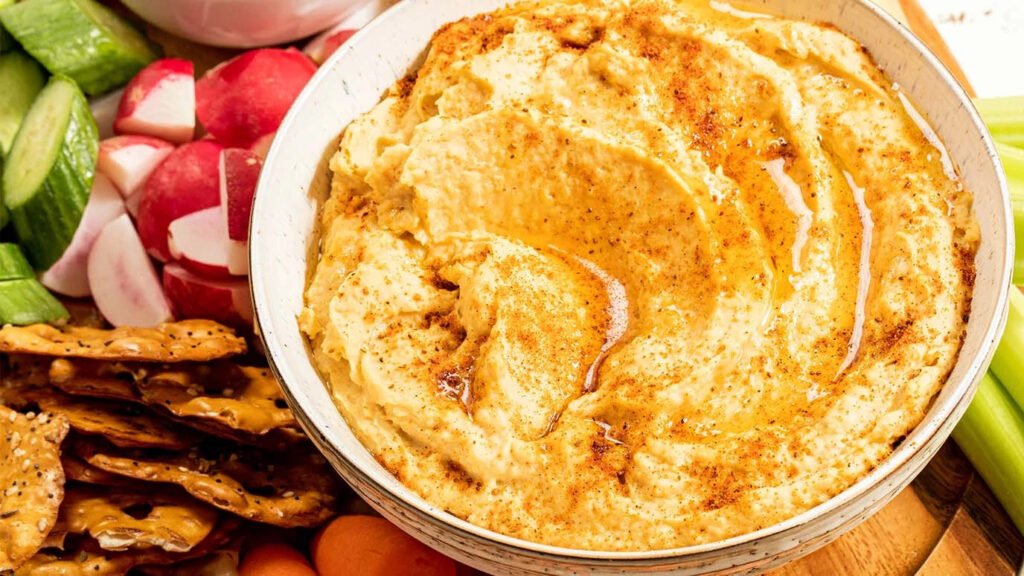
Hummus isn’t just a dip—it’s a ritual, a canvas, a story served on a plate. Creamy, nutty, with a whisper of garlic and a drizzle of olive oil, this humble Middle Eastern spread has traveled far beyond its birthplace, enchanting taste buds across the globe. Making hummus at home is more than following a recipe—it’s about crafting a flavor experience that’s uniquely yours.
Why Homemade Hummus Matters
Sure, store-bought hummus is convenient. But homemade hummus carries an authenticity that no tub from the supermarket can replicate. When you make hummus from scratch, you control every nuance: the creaminess, the salt, the tang of lemon, the subtle kick of cumin. You can even experiment with textures—silky smooth or slightly chunky, depending on your mood or the company at your table.
The act of making hummus is intimate. It’s about patience, precision, and a willingness to play with flavors. Chickpeas, the foundation of hummus, are earthy and satisfying, a blank canvas waiting for your culinary touch.
Essential Ingredients
At its core, hummus is deceptively simple. You need:
-
Chickpeas – The star of the show, whether cooked from dried or canned.
-
Tahini – A sesame paste that adds richness and a subtle bitterness.
-
Lemon Juice – Brightness that balances the creaminess.
-
Garlic – The humble aromatics that punch up flavor.
-
Olive Oil – Drizzled on top for silky indulgence.
-
Salt and Spices – Cumin, paprika, or even smoked chili can elevate the hummus to something extraordinary.
The beauty of homemade hummus is that it responds to your hand. A pinch more salt here, a squeeze of lemon there—these tiny adjustments transform ordinary hummus into something personal, memorable, and irresistible.
Step-by-Step Crafting of Perfect Hummus
-
Cook or Rinse Chickpeas
If you’re starting with dried chickpeas, soaking overnight softens them and reduces cooking time. Canned chickpeas? Rinse and drain them thoroughly to remove excess sodium. -
Blend with Love
In a food processor, combine chickpeas, tahini, garlic, and lemon juice. Blend until smooth, scraping the sides occasionally. -
Adjust Texture
Add olive oil or water gradually to achieve your desired consistency. Some like their hummus almost mousse-like, others slightly coarse with character. -
Season to Taste
Salt is key, but don’t shy away from cumin, smoked paprika, or a dash of cayenne. Taste as you go; the difference between good hummus and unforgettable hummus is in the seasoning. - Serve Creatively
Hummus is versatile. Drizzle with olive oil, sprinkle with paprika, scatter pine nuts or pomegranate seeds, or layer with roasted vegetables. A simple spread transforms into a feast with a few thoughtful touches.
Beyond the Classic
Once you master classic hummus, the world opens up. Roasted red pepper hummus, beetroot hummus, or spicy harissa hummus—each variation tells a story. You can even mix in herbs like parsley, cilantro, or mint for a fresh twist. The kitchen becomes your laboratory, and hummus is the endlessly adaptable experiment
Hummus as a Lifestyle
Homemade hummus isn’t just food; it’s a ritual of mindfulness. It reminds you to slow down, to savor textures and aromas, and to appreciate the subtle interplay of ingredients. Sharing hummus is equally symbolic—it’s communal, inclusive, and generous. Every scoop is a small celebration, a testament to the art of making something simple yet profound.
Final Thoughts
Hummus is timeless, yet endlessly modern. Making it at home reconnects you with a tradition that is at once ancient and immediate. It’s a dish that carries heritage, invites creativity, and rewards patience. The ultimate guide to homemade hummus isn’t just about technique—it’s about discovery, joy, and the small magic of turning chickpeas into something transcendent.
So, next time you see a can of chickpeas or a jar of tahini, don’t just think “dip.” Think about the story, the craft, the flavors waiting to unfold. Your perfect hummus is a few careful steps away—and every bite will remind you why homemade will always win.