The Ultimate Guide to Cooking Falafel at Home

Few foods capture the soul of Middle Eastern cuisine quite like falafel. Crisp on the outside, tender and fragrant on the inside, these golden nuggets are more than just a snack—they’re a story on a plate. For anyone who’s ever wandered through the vibrant markets of Cairo, Beirut, or Jerusalem, the scent of freshly fried falafel is unforgettable. And the good news? You don’t need to travel thousands of miles to savor that magic. Cooking falafel at home is not only possible—it can become a joyful ritual, an art form, and, honestly, a little bit addictive.

Understanding Falafel: More Than Just Chickpeas

At its core, falafel is a humble blend of chickpeas, herbs, and spices. Yet, this simplicity hides decades—maybe centuries—of culinary tradition. Chickpeas, soaked and ground, form the heart of falafel. Then come the aromatics: garlic, onion, parsley, and cilantro. Spices like cumin, coriander, and a pinch of cayenne give falafel its unmistakable warmth. The right balance of ingredients is essential—too wet, and the falafel falls apart; too dry, and it crumbles without that signature fluffiness inside.

Here’s a small insider tip: authentic falafel is typically made with dried chickpeas, not canned. Soaking them overnight awakens their natural sweetness and ensures that final texture that makes falafel sing.

The Falafel Making Process: From Kitchen to Plate

Step 1: Soaking and Preparing Chickpeas

Start with dried chickpeas, rinsed thoroughly, then soaked in cold water for at least 12 hours. This step is non-negotiable. It softens the beans while keeping them firm enough to hold together when fried. Some cooks add a teaspoon of baking soda to the soaking water—an old trick that tenderizes the chickpeas and helps achieve a lighter texture.

Step 2: Grinding and Seasoning

Drain the chickpeas and pulse them in a food processor with onions, garlic, herbs, and spices. The goal is a coarse, grainy paste—not a smooth puree. This texture is what gives falafel its characteristic bite. Taste the mixture raw (just a tiny pinch!)—you can often detect the balance of herbs and spices better before frying.

Step 3: Shaping

Here’s where your personal touch comes in. Falafel can be shaped into small balls, slightly flattened patties, or even oblong logs. Keep a bowl of water nearby; wetting your hands prevents sticking and helps form uniform shapes. Consistency matters: too large, and the falafel may remain undercooked in the center; too small, and they’ll brown too quickly.

Step 4: Cooking Techniques

Traditionally, falafel is deep-fried until golden brown. The sizzle as they hit hot oil is part of the magic. For those cautious about oil, shallow frying or baking can work, though the texture will differ slightly. Whatever method you choose, patience is key—crowding the pan lowers the temperature and leads to soggy results.

Step 5: Serving

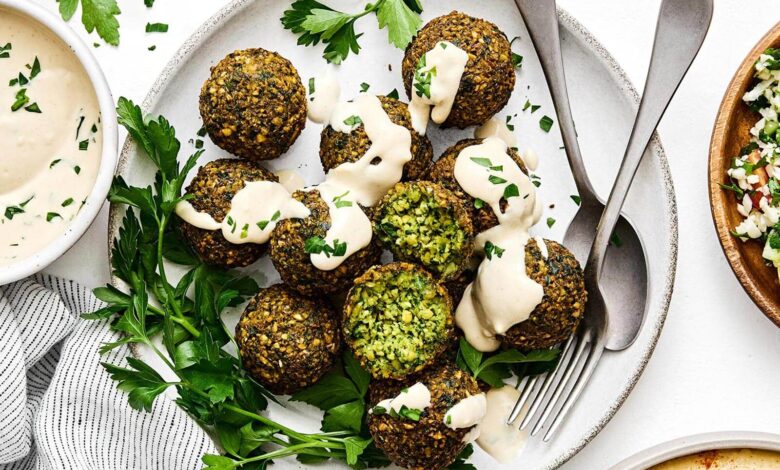
Falafel is at its best straight from the pan, with a slight crunch giving way to a soft, herbaceous interior. Serve it in warm pita bread with fresh vegetables, drizzle of tahini, a squeeze of lemon, maybe a dab of spicy sauce. Or, scatter them over a salad, letting the crispy nuggets contrast with crisp greens. Every bite tells a story—earthy, aromatic, and delightfully satisfying.

Falafel Variations: Creativity in Every Bite

While the classic falafel is unbeatable, don’t be afraid to experiment. Adding roasted red peppers, sun-dried tomatoes, or even a hint of smoked paprika can elevate the flavor. Some chefs incorporate fava beans alongside chickpeas, yielding a slightly softer texture. And let’s not forget the rise of baked or air-fried falafel—a modern twist that keeps things light without sacrificing taste.

Common Pitfalls and How to Avoid Them

Even seasoned cooks face falafel mishaps. Here are a few quick fixes:

  • Falling Apart in Oil: Likely too wet. Chill the mixture for 30–60 minutes before frying.

  • Dense Interior: Chickpeas may be overprocessed. Aim for a coarse texture.

  • Bitter Flavor: Overcooked herbs or burnt garlic can overpower. Keep an eye on your spice timing.

Learning falafel is part science, part intuition. The more you make it, the more you develop that “feel” for the perfect bite.

Why Cooking Falafel at Home Matters

Falafel isn’t just food—it’s a connection. Cooking it at home allows you to slow down, engage with ingredients, and taste tradition in every bite. It’s a dish that welcomes improvisation but rewards respect for technique. Sharing falafel with friends and family transforms a simple meal into a celebration, bridging cultures and generations with nothing more than chickpeas, herbs, and oil.

The Ultimate Guide to Homemade Hummus

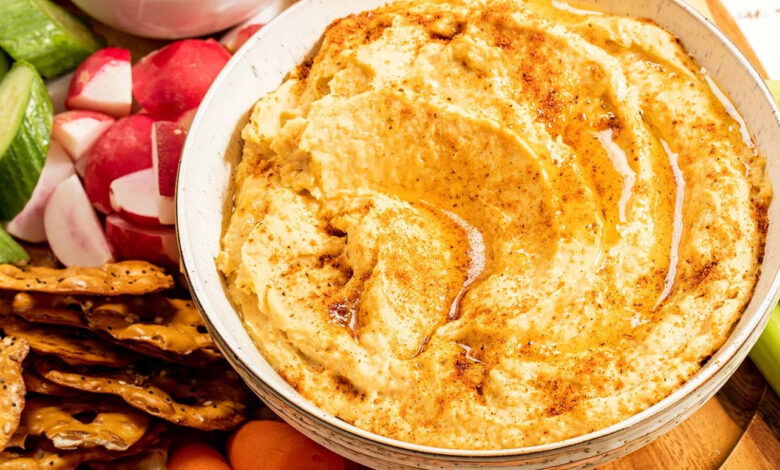
Hummus isn’t just a dip—it’s a ritual, a canvas, a story served on a plate. Creamy, nutty, with a whisper of garlic and a drizzle of olive oil, this humble Middle Eastern spread has traveled far beyond its birthplace, enchanting taste buds across the globe. Making hummus at home is more than following a recipe—it’s about crafting a flavor experience that’s uniquely yours.

Why Homemade Hummus Matters

Sure, store-bought hummus is convenient. But homemade hummus carries an authenticity that no tub from the supermarket can replicate. When you make hummus from scratch, you control every nuance: the creaminess, the salt, the tang of lemon, the subtle kick of cumin. You can even experiment with textures—silky smooth or slightly chunky, depending on your mood or the company at your table.

The act of making hummus is intimate. It’s about patience, precision, and a willingness to play with flavors. Chickpeas, the foundation of hummus, are earthy and satisfying, a blank canvas waiting for your culinary touch.

Essential Ingredients

At its core, hummus is deceptively simple. You need:

  • Chickpeas – The star of the show, whether cooked from dried or canned.

  • Tahini – A sesame paste that adds richness and a subtle bitterness.

  • Lemon Juice – Brightness that balances the creaminess.

  • Garlic – The humble aromatics that punch up flavor.

  • Olive Oil – Drizzled on top for silky indulgence.

  • Salt and Spices – Cumin, paprika, or even smoked chili can elevate the hummus to something extraordinary.

The beauty of homemade hummus is that it responds to your hand. A pinch more salt here, a squeeze of lemon there—these tiny adjustments transform ordinary hummus into something personal, memorable, and irresistible.

Step-by-Step Crafting of Perfect Hummus

  1. Cook or Rinse Chickpeas
    If you’re starting with dried chickpeas, soaking overnight softens them and reduces cooking time. Canned chickpeas? Rinse and drain them thoroughly to remove excess sodium.

  2. Blend with Love
    In a food processor, combine chickpeas, tahini, garlic, and lemon juice. Blend until smooth, scraping the sides occasionally.

  3. Adjust Texture
    Add olive oil or water gradually to achieve your desired consistency. Some like their hummus almost mousse-like, others slightly coarse with character.

  4. Season to Taste
    Salt is key, but don’t shy away from cumin, smoked paprika, or a dash of cayenne. Taste as you go; the difference between good hummus and unforgettable hummus is in the seasoning.

  5. Serve Creatively
    Hummus is versatile. Drizzle with olive oil, sprinkle with paprika, scatter pine nuts or pomegranate seeds, or layer with roasted vegetables. A simple spread transforms into a feast with a few thoughtful touches.

Beyond the Classic

Once you master classic hummus, the world opens up. Roasted red pepper hummus, beetroot hummus, or spicy harissa hummus—each variation tells a story. You can even mix in herbs like parsley, cilantro, or mint for a fresh twist. The kitchen becomes your laboratory, and hummus is the endlessly adaptable experiment

Hummus as a Lifestyle

Homemade hummus isn’t just food; it’s a ritual of mindfulness. It reminds you to slow down, to savor textures and aromas, and to appreciate the subtle interplay of ingredients. Sharing hummus is equally symbolic—it’s communal, inclusive, and generous. Every scoop is a small celebration, a testament to the art of making something simple yet profound.

Final Thoughts

Hummus is timeless, yet endlessly modern. Making it at home reconnects you with a tradition that is at once ancient and immediate. It’s a dish that carries heritage, invites creativity, and rewards patience. The ultimate guide to homemade hummus isn’t just about technique—it’s about discovery, joy, and the small magic of turning chickpeas into something transcendent.

So, next time you see a can of chickpeas or a jar of tahini, don’t just think “dip.” Think about the story, the craft, the flavors waiting to unfold. Your perfect hummus is a few careful steps away—and every bite will remind you why homemade will always win.