
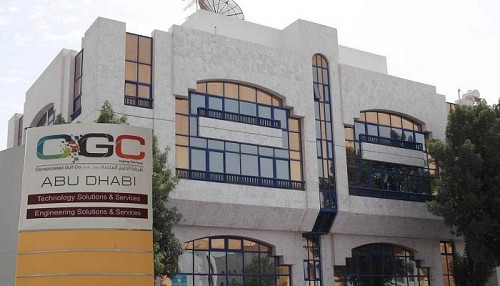
In the Gulf region, where ambition often moves faster than headlines, some companies grow quietly—methodically—until one day you realize they’re everywhere. Consolidated Gulf Company fits that profile. Not flashy. Not loud. But undeniably influential across multiple sectors.
For investors seeking stability with upside, or partners looking for long-term alignment rather than short-term wins, understanding how this company operates is essential. This guide breaks down what truly matters—beyond surface-level summaries—so you can judge its value with clarity.
Understanding Consolidated Gulf Company’s Core Identity
At its heart, consolidated gulf company is built on diversification with discipline. Unlike firms that chase every opportunity, this organization follows a controlled expansion model—entering industries where regional demand, infrastructure growth, and policy direction align.
The company’s operations typically span:
-
Construction and infrastructure services
-
Industrial solutions and contracting
-
Energy-related support services
-
Trading and logistics
-
Specialized technical services
What separates it from many regional conglomerates is operational integration. Business units don’t work in isolation. They reinforce each other. A construction arm feeds industrial demand. Logistics supports both. Technical services reduce dependency on external vendors. That synergy quietly strengthens margins.
A Growth Story Shaped by the Gulf Itself
The rise of consolidated gulf company mirrors the Gulf’s own evolution—from oil-centric economies to diversified, infrastructure-driven powerhouses.
Rather than expanding aggressively during boom cycles, the company historically focused on measured scaling:
-
Entering markets during early development phases
-
Building long-term government and enterprise relationships
-
Reinforcing internal systems before outward expansion
This approach doesn’t generate viral headlines, but it does something more valuable—it creates resilience. During market slowdowns, diversified operations stabilize cash flow. During growth cycles, existing infrastructure accelerates execution.
Why Investors Pay Attention
Investors evaluating consolidated gulf company usually aren’t looking for speculative hype. They’re looking for:
-
Predictable project pipelines
-
Regionally anchored demand
-
Exposure to Gulf infrastructure and industrial growth
-
Managed risk through diversification
Revenue Stability
The company’s multi-sector footprint cushions it against industry-specific volatility. When construction slows, industrial or service-based segments often compensate.
Contract-Based Income
A significant portion of revenue typically comes from long-term contracts, especially in infrastructure and industrial services. This improves forecasting accuracy and investor confidence.
Regional Advantage
Operating in Gulf economies means proximity to government-led mega projects, public-private partnerships, and long-term development plans that stretch decades, not quarters.
What Makes It Attractive for Strategic Partners
For suppliers, subcontractors, and joint venture candidates, consolidated gulf company offers something rare: predictability.
Partners often highlight:
-
Clear project scopes and expectations
-
Structured procurement processes
-
Professional compliance standards
-
Long-term collaboration over one-off deals
The company tends to favor repeat partnerships, especially with vendors who demonstrate reliability and adaptability. This reduces onboarding friction and builds operational trust over time.
Leadership and Decision-Making Culture
One of the less visible strengths of consolidated gulf company lies in its leadership approach.
Decision-making is typically:
-
Centralized on strategy
-
Decentralized on execution
Senior leadership focuses on capital allocation, risk management, and long-term positioning, while operational teams are empowered to make fast, on-ground decisions. This balance prevents both bureaucratic paralysis and reckless expansion.
The culture rewards consistency more than noise. That matters
Risk Factors to Consider Honestly
No company is without risk, and any serious guide should acknowledge that.
For consolidated gulf company, potential considerations include:
-
Exposure to regional policy shifts
-
Dependence on infrastructure and industrial spending cycles
-
Competitive pressure from multinational contractors
-
Capital intensity in certain divisions
However, these risks are structural, not operational failures. They come with the territory—and the company’s diversified structure exists precisely to manage them.
Long-Term Outlook: Where the Company Is Headed
Looking ahead, consolidated gulf company is positioned to benefit from:
-
Continued Gulf infrastructure investment
-
Industrial localization initiatives
-
Energy transition support services
-
Public-private development models
Rather than chasing trends, the company appears focused on deepening its role within sectors it already understands. That’s usually a sign of maturity, not stagnation.
For long-term investors and serious partners, that restraint can be more valuable than aggressive expansion.
Final Thoughts
Consolidated gulf company isn’t built for headlines—it’s built for endurance. Its strength lies in structure, discipline, and regional fluency. Investors drawn to steady performance with strategic upside will find it compelling. Partners looking for reliability and scale will find alignment