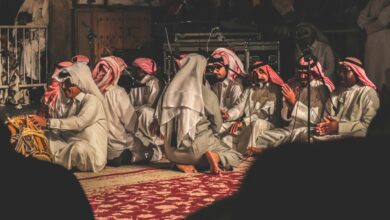
Saudi Arabian Society for Culture and Arts Activities

The Saudi Arabian Society for Culture and Arts (SASCA) plays a pivotal role in nurturing the rich cultural heritage of Saudi Arabia while promoting arts, creativity, and social engagement. Since its inception, the society has dedicated itself to supporting artists, writers, performers, and cultural enthusiasts, bridging the past and present of Saudi Arabia’s artistic landscape. With a wide range of activities and initiatives, SASCA fosters creativity and cultural awareness across the Kingdom and beyond.

History and Background

The Saudi Arabian Society for Culture and Arts was established with the vision of promoting arts and cultural activities in Saudi Arabia. Recognizing the importance of cultural preservation and the role of arts in social development, SASCA became a platform for artists, performers, writers, and intellectuals to showcase their talent and collaborate. Over the years, the society has become an influential cultural institution, organizing events and programs that celebrate Saudi Arabia’s artistic heritage.

Objectives and Vision

SASCA’s core objectives revolve around nurturing Saudi talent, preserving cultural heritage, and providing a platform for creative expression. The society emphasizes:

  • Promotion of Arts: Supporting visual arts, performing arts, literature, and digital creativity.

  • Cultural Preservation: Celebrating traditional Saudi customs, folklore, and heritage through exhibitions and performances.

  • Educational Development: Conducting workshops, lectures, and training programs to develop artistic skills.

  • Community Engagement: Encouraging public participation in cultural and artistic events.

By achieving these goals, SASCA aspires to make arts and culture accessible to everyone in Saudi Arabia and to represent the Kingdom’s rich heritage internationally.

Membership and Participation

Membership in SASCA is open to artists, writers, performers, students, and anyone with an interest in arts and culture. Members gain access to workshops, exhibitions, training programs, and exclusive networking events. Participating in SASCA activities offers opportunities to collaborate with established artists, attend cultural festivals, and contribute to creative projects that impact society. The society also encourages youth involvement, aiming to inspire the next generation of Saudi artists.

Key Activities and Programs

SASCA offers a variety of activities and programs catering to different artistic disciplines. These initiatives are designed to promote creativity, education, and cultural awareness. Some of the society’s key activities include:

Art Exhibitions

Regular art exhibitions are organized to showcase the work of both emerging and established Saudi artists. These exhibitions cover visual arts such as painting, sculpture, photography, and calligraphy, providing a platform for artistic expression and cultural dialogue.

Literary Programs

SASCA organizes literary events including book launches, poetry readings, and storytelling sessions. These programs encourage writers and poets to share their work with the public while fostering a literary culture in Saudi Arabia.

Workshops and Training

Workshops are a core part of SASCA’s activities, offering hands-on training in various arts, including painting, theater, music, photography, and creative writing. These sessions are designed for beginners, students, and professional artists looking to refine their skills.

Performing Arts

The society actively supports theater productions, musical performances, and dance events. These performances often reflect Saudi culture, heritage, and contemporary issues, providing entertainment while educating audiences about cultural values.

Cultural Festivals

Annual cultural festivals organized by SASCA bring together artists, performers, and the public to celebrate Saudi heritage. These festivals feature exhibitions, live performances, workshops, and interactive activities that promote cultural appreciation and social cohesion.

Competitions and Awards

To recognize talent and encourage artistic growth, SASCA hosts competitions across different art forms. Award ceremonies highlight exceptional contributions to arts and culture, motivating both young and established artists to excel.

Collaborations and Partnerships

SASCA collaborates with local and international cultural institutions, universities, and organizations. These partnerships expand the society’s reach, enabling knowledge exchange, joint projects, and international exposure for Saudi artists. By working with global cultural networks, SASCA ensures that Saudi culture and art gain recognition and appreciation worldwide.

Impact on Saudi Society

The Saudi Arabian Society for Culture and Arts has had a profound impact on society. By promoting arts and culture, SASCA contributes to:

  • Cultural Awareness: Encouraging appreciation for Saudi heritage, traditions, and contemporary arts.

  • Talent Development: Providing platforms and training for artists to grow professionally.

  • Social Cohesion: Creating inclusive spaces where people from diverse backgrounds come together to celebrate culture.

  • International Recognition: Showcasing Saudi art globally, strengthening cultural diplomacy.

Through these contributions, SASCA plays a vital role in enriching Saudi society and fostering a vibrant cultural ecosystem.

Future Plans and Initiatives

Looking ahead, SASCA plans to expand its programs and reach more communities across Saudi Arabia. Future initiatives include:

  • Developing digital platforms for virtual exhibitions and online workshops.

  • Launching cultural exchange programs with other countries.

  • Expanding youth-oriented programs to nurture the next generation of artists.

  • Collaborating with government and private organizations to enhance cultural infrastructure.

These efforts aim to ensure that the Saudi Arabian Society for Culture and Arts continues to evolve, adapt, and inspire creativity nationwide.

Conclusion

The Saudi Arabian Society for Culture and Arts stands as a cornerstone of Saudi Arabia’s cultural landscape. Through its diverse activities ranging from exhibitions and workshops to festivals and literary events SASCA fosters creativity, preserves heritage, and builds a vibrant cultural community. By providing platforms for artistic expression, the society not only celebrates the Kingdom’s rich traditions but also empowers artists and cultural enthusiasts to shape the future of Saudi arts. As SASCA continues to expand its reach and influence, it remains a beacon of creativity, learning, and cultural pride.

The Role of the Ministry of Culture Saudi Arabia

Culture is the soul of a nation  a reflection of its history, identity, and vision for the future. In the Kingdom of Saudi Arabia, cultural preservation and innovation are key components of national transformation. The Ministry of Culture Saudi Arabia stands at the forefront of this movement, leading the Kingdom into a new era where heritage meets creativity, and tradition embraces modernity.

The Establishment and Vision

The Ministry of Culture Saudi Arabia was established in 2018 as part of the Kingdom’s ambitious Vision 2030, a national plan designed to diversify the economy and strengthen the cultural and creative sectors. Under the leadership of His Highness Prince Badr bin Abdullah bin Farhan Al Saud, the Ministry was created to celebrate the Kingdom’s cultural richness while building a sustainable and globally recognized creative economy.

Its mission is clear: to preserve Saudi Arabia’s cultural heritage, promote artistic expression, and empower creative talent across various fields  from art and literature to music, fashion, film, and architecture.

Preserving Heritage and Identity

Saudi Arabia’s culture is deeply rooted in centuries of history, shaped by Islamic values, Bedouin traditions, and regional diversity. The Ministry of Culture Saudi Arabia plays a crucial role in protecting and promoting this heritage.

It oversees projects that document, restore, and preserve historical landmarks, archaeological sites, and traditional crafts. Initiatives like the National Heritage Preservation Program and collaborations with UNESCO ensure that Saudi Arabia’s ancient cities  such as Diriyah, AlUla, and Jeddah’s Historic District  are maintained and shared with the world.

Through these efforts, the Ministry ensures that while the Kingdom progresses technologically and economically, its roots remain firmly grounded in cultural authenticity.

Promoting Arts and Creativity

The Ministry of Culture Saudi Arabia is not only preserving the past but also shaping the future of creativity in the Kingdom. It supports a wide range of artistic disciplines, recognizing the importance of cultural expression in national development.

Saudi Arabia’s creative scene has flourished in recent years, with the Ministry backing local artists, filmmakers, musicians, and designers through funding, training, and exposure. Events like the Saudi Art Council exhibitions, the Red Sea International Film Festival, and MDLBEAST Soundstorm highlight the Ministry’s dedication to nurturing talent and providing platforms for creative voices.

These initiatives have positioned Saudi Arabia as a regional hub for arts and culture, drawing global attention and encouraging international collaboration.

Cultural Diplomacy and Global Engagement

A key part of the Ministry’s mission is promoting cultural exchange between Saudi Arabia and the world. The Ministry of Culture Saudi Arabia actively participates in global exhibitions, forums, and partnerships that showcase Saudi heritage and creativity on an international stage.

For example, Saudi Arabia’s participation in global events such as Expo 2020 Dubai and UNESCO’s cultural programs highlights the Kingdom’s commitment to cultural diplomacy. By engaging globally, the Ministry strengthens mutual understanding and bridges cultural gaps between Saudi Arabia and other nations.

This international outreach also supports tourism, as the world becomes increasingly interested in discovering Saudi Arabia’s art, history, and lifestyle.

Empowering the Creative Economy

Cultural industries are not only about artistic expression  they are powerful economic drivers. The Ministry of Culture Saudi Arabia recognizes this and is actively developing creative sectors that contribute to the nation’s GDP.

Through its Cultural Development Fund, the Ministry provides financial and logistical support to startups and entrepreneurs working in creative fields. These efforts align with Vision 2030’s goals of creating jobs, encouraging innovation, and reducing the Kingdom’s dependence on oil revenues.

From film production and publishing to design and culinary arts, the Ministry’s strategic plans empower individuals and organizations to transform their creativity into sustainable business ventures.

Education and Talent Development

A thriving cultural scene depends on education and skill-building. The Ministry of Culture Saudi Arabia invests heavily in cultural education and talent development. It has established partnerships with top international institutions to create programs that train young Saudis in various artistic and cultural disciplines.

For instance, initiatives like the Saudi Scholarship for Cultural Development send talented students abroad to study fields such as fine arts, fashion design, architecture, and filmmaking. Upon returning, these students bring back valuable expertise that contributes to building a vibrant cultural landscape in the Kingdom.

The Ministry also supports creative academies and training centers within Saudi Arabia, ensuring accessibility and inclusivity for aspiring artists and professionals across all regions.

Cultural Festivals and Public Engagement

The Ministry believes that culture should be accessible to everyone  not limited to museums or formal events. To promote widespread participation, the Ministry of Culture Saudi Arabia organizes cultural festivals, public exhibitions, and performances throughout the year.

Events like Janadriyah Festival, Riyadh Season, and AlUla Moments celebrate Saudi heritage, music, cuisine, and art, attracting millions of visitors from both inside and outside the Kingdom. These gatherings foster national pride while encouraging creativity and community engagement.

Moreover, the Ministry leverages digital platforms to make cultural content more accessible. Through online galleries, virtual museum tours, and social media campaigns, Saudi culture reaches global audiences in innovative ways.

Sustainability and the Future of Culture

Looking ahead, the Ministry of Culture Saudi Arabia aims to ensure that cultural growth is sustainable, inclusive, and aligned with environmental and social goals. The Ministry integrates sustainability into its projects by preserving cultural landscapes, promoting eco-friendly event planning, and supporting creative solutions to modern challenges.

As part of its long-term vision, the Ministry continues to expand cultural infrastructure  including museums, theaters, libraries, and art centers  across the Kingdom. These investments will help make culture a permanent and accessible part of everyday life for Saudi citizens.

Cultural Identity in a Modern Kingdom

The work of the Ministry of Culture Saudi Arabia is redefining what it means to be modern and traditional at the same time. It celebrates the Kingdom’s heritage while opening doors to innovation and global creativity. By merging authenticity with progress, the Ministry ensures that Saudi Arabia’s cultural identity remains strong, confident, and dynamic.

This balanced approach has earned global recognition, positioning Saudi Arabia as a rising leader in the cultural and creative industries of the Middle East.

Conclusion

The Ministry of Culture Saudi Arabia plays a transformative role in shaping the nation’s cultural landscape. From preserving ancient heritage to empowering the next generation of creatives, the Ministry is building a foundation for a culturally rich and globally connected Saudi Arabia.

Its initiatives embody the spirit of Vision 2030  a vision where culture is not just a reflection of the past but a driving force for the future. Through education, innovation, and collaboration, the Ministry continues to weave the story of a modern Kingdom rooted in its timeless traditions.

The Mission of the Saudi Cultural Bureau Ottawa

In today’s interconnected world, international education plays a vital role in strengthening global understanding, collaboration, and cultural exchange. For Saudi students studying abroad, having the right guidance and support system is essential to ensure both academic success and personal well-being. The Saudi Cultural Bureau Ottawa stands as a cornerstone of this mission  representing the Kingdom of Saudi Arabia in Canada while ensuring that Saudi students receive the educational, cultural, and administrative support they need to thrive.

Understanding the Saudi Cultural Bureau Ottawa

The Saudi Cultural Bureau Ottawa, also known as SCBO, operates under the supervision of the Saudi Arabian Ministry of Education. Its primary role is to support Saudi students pursuing their studies in Canada, ensuring that their educational journeys align with the Kingdom’s vision for academic excellence, innovation, and global engagement.

Established to serve as a bridge between Saudi Arabia and Canadian academic institutions, the Bureau helps students adjust to their new academic environments while maintaining strong cultural and national connections. It also promotes Saudi Arabia’s culture, values, and academic achievements, fostering mutual respect and understanding between the two nations.

Academic Support and Student Services

One of the key missions of the Saudi Cultural Bureau Ottawa is to provide comprehensive academic support to Saudi students studying in Canadian universities and colleges. The Bureau assists students from the moment they receive their scholarships until they complete their programs.

Among its primary functions are:

  • Academic Supervision: The Bureau monitors each student’s academic progress, ensuring they meet the standards set by both the host institution and the Ministry of Education. Advisors regularly communicate with students to offer guidance and address challenges such as academic performance, course selection, or adapting to new learning environments.

  • University Liaison: The Bureau maintains strong relationships with Canadian universities, facilitating the enrollment process, verifying accreditation, and resolving administrative issues that students may encounter during their studies.

  • Scholarship Management: Many Saudi students in Canada are sponsored by the Kingdom’s scholarship programs. The Bureau manages these scholarships, ensuring tuition payments, living allowances, and other financial matters are handled efficiently.

Promoting Cultural Exchange

Beyond academic responsibilities, the Saudi Cultural Bureau Ottawa plays a crucial role in cultural diplomacy. It represents the Kingdom’s heritage and values by organizing cultural events, exhibitions, and conferences that showcase Saudi traditions, art, and innovation.

Through such initiatives, the Bureau helps strengthen ties between Saudi Arabia and Canada by fostering mutual understanding. These efforts not only enrich the experience of Saudi students but also allow Canadian communities to learn more about the Kingdom’s culture and progress.

The Bureau’s cultural programs often feature Saudi music, cuisine, fashion, and art  all presented with the goal of promoting cross-cultural dialogue. This cultural outreach aligns with Saudi Arabia’s Vision 2030, which emphasizes global engagement, education, and cultural openness.

Student Welfare and Well-Being

Studying abroad can be both exciting and challenging. Recognizing this, the Saudi Cultural Bureau Ottawa ensures that Saudi students receive emotional, social, and professional support during their stay in Canada.

The Bureau assists students with:

  • Visa and Legal Matters: Offering guidance on immigration requirements, visa renewals, and compliance with Canadian laws.

  • Health and Insurance: Helping students access health insurance and medical support as per Canadian regulations.

  • Community Engagement: Encouraging students to participate in social and cultural activities to help them integrate smoothly into Canadian society.

  • Career Development: Supporting professional growth by connecting students with training programs, internships, and job opportunities relevant to their field of study.

This holistic approach ensures that students not only excel academically but also grow personally and professionally, preparing them to contribute effectively to Saudi Arabia’s development upon their return.

Supporting Vision 2030 and National Development

The Saudi Cultural Bureau Ottawa plays a strategic role in supporting Saudi Arabia’s national development goals outlined in Vision 2030  a transformative plan aimed at diversifying the economy and empowering the next generation through education and innovation.

By ensuring that Saudi students receive world-class education in Canada’s top universities, the Bureau helps cultivate a pool of highly skilled graduates who will bring back global knowledge and expertise to strengthen the Kingdom’s industries, technology, and governance.

Moreover, the Bureau promotes research collaborations between Saudi and Canadian institutions in areas such as renewable energy, healthcare, artificial intelligence, and sustainable development  all of which are key pillars of Vision 2030.

Building Bridges Between Saudi Arabia and Canada

The Saudi Cultural Bureau Ottawa also serves as a diplomatic and educational bridge between Saudi Arabia and Canada. It encourages partnerships between universities, supports academic exchanges, and facilitates joint research projects. These collaborations enhance both countries’ academic communities while deepening their long-term relationship.

Through its outreach, the Bureau helps Canadians gain a better understanding of Saudi Arabia’s educational advancements, modernization efforts, and commitment to global cooperation. In return, Saudi students gain valuable exposure to Canada’s diverse, inclusive, and innovative learning environment.

Empowering the Next Generation of Saudi Leaders

Every year, hundreds of Saudi students travel to Canada to pursue undergraduate, postgraduate, and doctoral degrees in fields such as engineering, medicine, business, and computer science. The Saudi Cultural Bureau Ottawa ensures these students receive guidance, mentorship, and the resources necessary to excel in their academic journeys.

By nurturing leadership skills, promoting critical thinking, and encouraging research and innovation, the Bureau helps create a generation of forward-thinking Saudis who will become key contributors to the nation’s growth.

The Bureau also stays in close contact with graduates, building a strong alumni network that continues to foster academic and professional collaboration between Saudi Arabia and Canada even after students return home.

Commitment to Excellence and Integrity

At its core, the Saudi Cultural Bureau Ottawa operates with integrity, professionalism, and a deep sense of responsibility. It serves as an example of how effective educational diplomacy can strengthen relationships between nations while empowering individuals.

Every service the Bureau provides  from academic support to cultural representation  reflects Saudi Arabia’s commitment to education, innovation, and global engagement. The Bureau’s mission goes beyond administrative duties; it’s about creating opportunities, nurturing talent, and representing the Kingdom with pride.

Conclusion

The Saudi Cultural Bureau Ottawa is far more than an administrative office  it is a bridge that connects two nations through education, culture, and shared values. Its mission embodies Saudi Arabia’s vision of investing in its people, promoting global understanding, and preparing the next generation for leadership and success.

Through its ongoing efforts, the Bureau continues to support Saudi students, strengthen international partnerships, and represent the Kingdom with dignity and purpose. In doing so, it not only uplifts individuals but also contributes to the broader goal of building a knowledge-driven, globally connected Saudi Arabia.

Unveiling the Secrets of Saudi Food Culture

Saudi Arabia, a land known for its vast deserts, golden dunes, and rich traditions, also holds a deep and flavorful culinary heritage. The Saudi food culture is a reflection of its people’s hospitality, religion, and centuries-old traditions that blend Bedouin simplicity with modern influences. Each dish tells a story  of family, community, and the values that bind the Kingdom together.

The Essence of Saudi Food Culture

At the heart of Saudi food culture lies generosity. In Saudi homes, food is more than just nourishment — it’s a symbol of sharing and respect. Guests are often welcomed with a cup of aromatic Arabic coffee, known as qahwa, served with sweet dates. This welcoming gesture is an ancient tradition that represents warmth, respect, and honor.

Saudi cuisine is built around flavors that are bold yet balanced. Spices such as cardamom, cinnamon, saffron, and cloves play an essential role, while rice, lamb, chicken, and wheat remain the foundational ingredients. The blend of these flavors creates dishes that are comforting, flavorful, and uniquely Saudi.

A Glimpse into Traditional Saudi Dishes

The Kingdom’s culinary landscape is diverse, with regional variations that make it truly fascinating. Some of the most popular and iconic dishes include:

1. Kabsa
Kabsa is the national dish of Saudi Arabia and an integral part of Saudi food culture. It is a beautifully spiced rice dish cooked with meat (usually lamb or chicken), tomatoes, and a mix of cardamom, cloves, and cinnamon. Served on large platters, Kabsa is often shared by family members, symbolizing unity and hospitality.

2. Jareesh
This traditional dish is made from crushed wheat cooked with meat and seasoned with onions, yogurt, and spices. It is hearty, filling, and reflects the Kingdom’s agricultural roots.

3. Mandi
Originally from Yemen but widely embraced across Saudi Arabia, Mandi features tender meat and fragrant rice cooked in a tandoor-style pit. Its smoky aroma and delicate spices make it a favorite at celebrations and gatherings.

4. Saleeg
A creamy rice dish cooked with milk and chicken broth, Saleeg is particularly loved in the western regions, especially in Mecca. The comforting texture makes it a perfect meal during cooler months.

5. Mutabbaq
A popular street food, Mutabbaq is a stuffed pancake or bread filled with minced meat, eggs, and spices. It shows how Saudi food culture also embraces quick, flavorful snacks in everyday life.

The Role of Dates and Coffee in Saudi Traditions

No discussion about Saudi cuisine is complete without mentioning dates and Arabic coffee. Dates are deeply rooted in Saudi tradition they symbolize hospitality and are often served first when guests arrive. With hundreds of date varieties available, from soft sukkary to dry ajwa, they are enjoyed daily across the country.

Arabic coffee, or qahwa, is brewed with green coffee beans and flavored with cardamom. It’s served in small cups and poured from a traditional coffee pot called dallah. These rituals showcase how food and drink are tied to social customs in Saudi food culture, emphasizing respect and generosity.

Regional Diversity in Saudi Cuisine

Saudi Arabia’s vast geography has given rise to distinct regional specialties:

  • Western Region (Hijaz): Known for dishes influenced by pilgrims visiting Mecca and Medina. Meals like Saleeg and Mutabbq show a fusion of international flavors.

  • Central Region (Najd): Famous for wheat-based dishes like Jareesh and Qursan, highlighting the resourcefulness of desert communities.

  • Eastern Region: Seafood is more common here due to its proximity to the Arabian Gulf. Grilled fish and shrimp dishes are part of local favorites.

  • Southern Region (Asir): The food is spicy and robust, featuring Areekah (bread mashed with dates and ghee) and Mandi.

This regional variety enriches Saudi food culture, showing how geography and lifestyle shape what people eat and how they prepare it.

Influences and Modern Adaptations

While traditional recipes remain cherished, modern Saudi Arabia is also embracing global cuisines. Urban centers like Riyadh, Jeddah, and Dammam now host a blend of international restaurants and innovative Saudi chefs who reinvent heritage dishes with a modern twist.

For example, classic Kabsa may now be served with grilled seafood instead of lamb, while traditional desserts like kunafa are infused with chocolate or cream cheese. These culinary innovations reflect how Saudi food culture is evolving  maintaining its roots while adapting to modern tastes and lifestyles.

Food and Family: The Heart of Saudi Life

Meals in Saudi Arabia are often family-centered. Eating together on the floor around a shared platter is a cherished practice that encourages unity and gratitude. Fridays, the holy day of the week, are often reserved for family lunches featuring large feasts and laughter-filled gatherings.

In traditional settings, food is also prepared and served with intention. Women often play a central role in maintaining culinary traditions, passing recipes down from generation to generation. This preservation of family recipes is part of what makes Saudi food culture so enduring and deeply personal.

Festivals and Special Occasions

During religious festivals like Eid al-Fitr and Eid al-Adha, food takes center stage. Lavish spreads of Kabsa, Maqluba, and sweet pastries like Maamoul fill homes. Guests are welcomed openly, and the act of sharing food strengthens social bonds.

Even weddings and community events showcase the richness of Saudi culinary traditions. Huge platters of rice and meat are served to hundreds of guests  a true celebration of abundance and hospitality.

Health, Simplicity, and Modern Awareness

While many traditional Saudi dishes are rich and hearty, there’s a growing awareness about healthy eating. Modern Saudis are incorporating more vegetables, grilled proteins, and lighter versions of traditional meals into their diets. This balance between heritage and health-consciousness shows the dynamic evolution of Saudi food culture in contemporary life.

Conclusion

Saudi food culture is not merely about what’s on the plate  it’s about connection, tradition, and pride. Every dish, from Kabsa to Saleeg, carries with it the history of a people known for their generosity and warmth. As Saudi Arabia continues to modernize, its cuisine stands as a bridge between the past and the future  preserving the flavors of heritage while welcoming the tastes of tomorrow.

Whether enjoyed in a family home or a fine dining restaurant, Saudi food tells the same story: one of unity, hospitality, and love for good food shared with good company.

How to Get Saudi Culture Attestation Fast

If you are planning to work, study, or settle in Saudi Arabia, one of the key steps is obtaining Saudi Culture Attestation. This process verifies your educational, professional, and personal documents to ensure they are legally recognized in the Kingdom. Understanding the process and preparing your documents correctly can help you get your attestation quickly and efficiently. This guide provides a step-by-step approach to fast-track your Saudi Culture Attestation.

What is Saudi Culture Attestation?

Saudi Culture Attestation is the official certification of your documents by Saudi authorities to confirm their authenticity. These documents can include educational certificates, degrees, experience letters, birth certificates, or marriage certificates. The attestation ensures that your documents are valid for legal, educational, or professional purposes in Saudi Arabia.

Without attestation, documents may not be accepted by Saudi government offices, universities, employers, or other official institutions. Therefore, understanding the process is crucial for anyone planning to move to Saudi Arabia for work or study.

Documents Eligible for Saudi Culture Attestation

Several types of documents can undergo Saudi Culture Attestation:

  1. Educational Documents:

    • Degrees, diplomas, and certificates from schools, colleges, and universities.

    • Transcripts or mark sheets.

  2. Professional Documents:

    • Experience letters.

    • Certificates of employment.

  3. Personal Documents:

    • Birth certificates.

    • Marriage certificates.

    • Divorce certificates.

  4. Commercial Documents:

    • Power of attorney.

    • Company registration certificates.

Each type of document may require a slightly different process, so knowing the exact requirements beforehand can save a lot of time.

Step-by-Step Guide to Fast Saudi Culture Attestation

Getting Saudi Culture Attestation fast requires careful planning and understanding of the legal procedures. Here’s a step-by-step guide:

Verify Your Documents

Before submitting your documents for attestation, ensure they are genuine and properly signed by the relevant issuing authority. Fake or incomplete documents can cause delays or rejection. Educational documents should have clear seals and signatures, while personal documents must be legally issued by government departments.

Notarization and Notary Attestation

Notarization is the first formal step in the attestation process. You must have your documents verified by a notary or relevant legal authority in your country. This confirms the authenticity of the signature, stamp, or issuing authority. Many countries require notarized documents before they can be submitted to the Saudi embassy.

Ministry of Foreign Affairs (MOFA) Attestation

Once notarized, your documents must be attested by your country’s Ministry of Foreign Affairs. MOFA verifies the notary’s seal and ensures that your documents meet international legal standards. This step is essential for expediting the process in Saudi Arabia.

Saudi Embassy or Consulate Attestation

After MOFA attestation, the next step is the Saudi Culture Attestation at the Saudi Embassy or Consulate in your country. Here, officials check your documents against their regulations and issue the official stamp of recognition. It is recommended to check embassy requirements in advance, as some countries require appointments or online submission.

Ministry of Education or Relevant Saudi Authority

For educational documents, an additional step may include verification by the Saudi Ministry of Education or relevant cultural authority. This confirms that your degrees or certificates are recognized in Saudi Arabia. Many universities and employers in Saudi Arabia require this verification before accepting your documents.

Tips to Get Saudi Culture Attestation Fast

Speeding up the attestation process requires organization and knowledge of the requirements. Here are some practical tips:

  1. Prepare Documents Carefully:
    Ensure all documents are complete, error-free, and properly signed. Missing or unclear signatures can delay the process.

  2. Use Professional Attestation Services:
    Many certified attestation agencies specialize in Saudi Culture Attestation. They handle document verification, MOFA attestation, and embassy submission efficiently.

  3. Check Embassy Guidelines:
    Each Saudi Embassy may have specific rules regarding attestation. Visiting the official embassy website or contacting officials beforehand can prevent unnecessary delays.

  4. Notarize Documents Early:
    Start with notarization as soon as possible. This reduces waiting time when moving on to MOFA and embassy attestation.

  5. Track the Process:
    Keep a record of your documents and submission dates. Regularly following up with the attestation agency or embassy can help resolve minor issues quickly.

  6. Prioritize Educational Documents:
    If your goal is employment or higher education, prioritize the attestation of degrees, diplomas, and transcripts. These are often scrutinized more strictly.

Common Challenges and How to Avoid Them

Even with careful preparation, some challenges may slow down Saudi Culture Attestation. Being aware of them can save time:

  1. Incomplete or Incorrect Documents:
    Double-check names, dates, and seals. Errors are a major cause of delays.

  2. Long Embassy Waiting Times:
    Many embassies require appointments or have limited slots. Plan ahead and book online if possible.

  3. Country-Specific Requirements:
    Some countries require additional verification steps before Saudi attestation. Research your country’s rules thoroughly.

  4. Translation Issues:
    Documents must often be translated into Arabic by certified translators. Ensure accurate translation to avoid rejection.

  5. Public Holidays and Embassy Closures:
    Be mindful of local and Saudi holidays, as these can delay processing times.

Role of Attestation Agencies

Professional attestation agencies can be a huge help in speeding up Saudi Culture Attestation. They handle all the complex steps, from notarization to embassy submission, and can often get documents attested faster than doing it independently. Key advantages include:

  • Guidance on required documents.

  • Fast-tracking MOFA and embassy procedures.

  • Assistance with translation and notarization.

  • Regular updates on the status of your documents.

Using a reliable agency is especially useful for applicants with multiple documents or tight deadlines.

Benefits of Saudi Culture Attestation

Getting your documents attested officially in Saudi Arabia offers several advantages:

  • Legal Recognition: Ensures documents are accepted by employers, universities, and government offices.

  • Career Opportunities: Facilitates work visas, employment, and professional licensing.

  • Educational Access: Required for higher education and scholarship applications.

  • International Mobility: Simplifies document use across other countries in the Gulf region.

Attestation is not just a bureaucratic step it is a key requirement to avoid future legal and administrative issues in Saudi Arabia.

Conclusion

Obtaining Saudi Culture Attestation does not have to be complicated or time-consuming. By understanding the process, preparing documents carefully, and possibly using professional attestation services, you can get your documents verified quickly and efficiently. From notarization and MOFA verification to embassy attestation and final recognition by Saudi authorities, each step is essential for ensuring your documents are legally recognized in the Kingdom.

Whether you are moving for work, study, or personal reasons, proper Saudi Culture Attestation provides peace of mind, prevents delays, and ensures smooth legal acceptance. With careful planning, attention to detail, and adherence to official procedures, you can achieve fast attestation and focus on your goals in Saudi Arabia.

A Complete Guide to Saudi Arabia Culture and Traditions

Saudi Arabia, a land of rich history and deep-rooted traditions, offers a unique glimpse into a culture that has evolved over millennia. From the desert landscapes of the Empty Quarter to the modern skyline of Riyadh, Saudi Arabia culture is a vibrant blend of heritage, religion, and social customs that continues to fascinate travelers and researchers alike. This guide explores the key aspects of Saudi culture, from its traditions and etiquette to arts, cuisine, and daily life.

Historical Roots of Saudi Arabia Culture

The history of Saudi Arabia plays a crucial role in shaping its cultural identity. Situated at the crossroads of ancient trade routes, the Arabian Peninsula was a melting pot of civilizations. Islamic heritage forms the cornerstone of Saudi Arabia culture, as the country is home to the two holiest cities in Islam, Mecca and Medina. The principles of Islam influence daily life, social interactions, and governance, creating a culture deeply connected to religious values.

Bedouin traditions, which emphasize hospitality, respect, and community, also remain influential. These nomadic roots are evident in social etiquette, storytelling, music, and even cuisine, highlighting the enduring importance of heritage in Saudi life.

Language and Communication

Arabic is the official language of Saudi Arabia, and it is the primary medium through which culture is expressed. Beyond formal Arabic, local dialects vary across regions, reflecting the diverse tribal and regional histories. In Saudi Arabia culture, communication often combines verbal and non-verbal cues, including gestures, eye contact, and respectful body language.

Politeness and respect for elders are highly valued. Greetings often involve handshakes, nods, or placing a hand on the chest. The phrase “As-salamu alaykum” (peace be upon you) is a common greeting, underscoring the role of religion in daily interactions.

Social Etiquette and Traditions

Saudi society places strong emphasis on family, community, and religious observance. Extended families often live close together, and family honor is central to social life. Hospitality is a hallmark of Saudi Arabia culture, with guests traditionally offered Arabic coffee (qahwa) and dates as a gesture of warmth and generosity.

Gender interactions are guided by cultural and religious norms. While recent reforms have increased social freedoms, respecting privacy and traditional boundaries remains important. Public behavior is guided by modesty, courtesy, and adherence to cultural expectations.

Festivals and Religious Practices

Religion shapes many cultural practices and festivals in Saudi Arabia. Islamic holidays, such as Eid al-Fitr and Eid al-Adha, are celebrated with great enthusiasm. Families come together for prayers, feasts, and charitable acts, emphasizing community and spiritual reflection. During Ramadan, the month of fasting, the rhythm of daily life changes, with evenings dedicated to breaking fasts, social gatherings, and acts of charity.

National celebrations, like Saudi National Day on September 23, highlight the country’s history and unity. Festivities include cultural performances, traditional music, dance, and displays of heritage, offering locals and visitors a chance to experience the richness of Saudi culture.

Arts, Music, and Literature

Art and music are integral to Saudi Arabia culture, reflecting centuries of tradition and modern influences. Traditional music often features the oud (a stringed instrument), drums, and poetic chants. Dance forms, such as the Ardha, are performed during celebrations, showcasing coordinated sword movements and rhythmic steps that tell stories of bravery and heritage.

Saudi literature, particularly poetry, has long been a medium for expressing identity, values, and social commentary. Classical Bedouin poetry praised nature, honor, and valor, while contemporary writers explore modern issues, blending heritage with present-day perspectives.

Cuisine: A Taste of Tradition

Saudi cuisine is a flavorful reflection of the country’s culture and geography. Traditional dishes often feature rice, meat, and aromatic spices. Kabsa, a spiced rice dish with meat, is considered a national favorite. Other staples include Mandi (slow-cooked meat with rice), Jareesh (crushed wheat porridge), and Samboosa (savory pastries) during Ramadan.

Food in Saudi Arabia is more than sustenance; it’s a social experience. Meals are shared with family and guests, often served on large platters, reinforcing hospitality and community bonds. Dates and Arabic coffee are essential elements, symbolizing generosity and tradition.

Clothing and Modesty

Traditional clothing in Saudi Arabia reflects both cultural values and practical needs. Men often wear the thobe, a long white robe, paired with a headscarf called a ghutra or shemagh. Women traditionally wear the abaya, a black cloak, and a head covering. Recent years have seen gradual changes, especially in urban areas, allowing for more diversity while respecting cultural norms.

Clothing is a significant aspect of Saudi Arabia culture, emphasizing modesty, social identity, and respect for tradition. Fabrics, styles, and colors may also indicate regional identity or social status.

Architecture and Heritage Sites

Saudi Arabia is home to remarkable architecture that reflects both Islamic influence and regional styles. Mosques, such as the Grand Mosque in Mecca and the Prophet’s Mosque in Medina, feature intricate geometric patterns, calligraphy, and expansive courtyards. Traditional homes, made of mud bricks in desert regions, exemplify sustainable design adapted to climate and lifestyle.

Historical sites, including Diriyah (the birthplace of the Saudi state) and ancient Nabatean tombs in Madain Saleh, showcase the depth of Saudi heritage. These landmarks provide insights into centuries-old practices, trade, and artistic expression.

Modern Influences and Cultural Evolution

While deeply rooted in tradition, Saudi Arabia culture is also evolving. Economic reforms, globalization, and social initiatives have introduced new cultural dynamics. Modern art galleries, music concerts, and sports events now coexist with traditional practices, creating a vibrant cultural landscape that appeals to younger generations and international visitors.

The Vision 2030 initiative emphasizes cultural preservation alongside modernization, promoting arts, tourism, and heritage while encouraging cultural exchange. This balance ensures that Saudi culture remains relevant, dynamic, and inclusive.

Daily Life and Social Norms

Everyday life in Saudi Arabia is guided by a mix of tradition and contemporary influences. Workweeks, family routines, and social gatherings often revolve around religious practices and cultural expectations. Friday prayers are a central weekly ritual, and communal dining remains a cornerstone of social interaction.

Technology and urban development have introduced new lifestyles, but respect for tradition and family ties continues to shape behavior. Observing these norms provides a deeper understanding of Saudi values and societal priorities.

Conclusion

Saudi Arabia is a country where tradition and modernity coexist in fascinating harmony. Saudi Arabia culture is defined by its rich history, Islamic heritage, social etiquette, art, music, cuisine, and evolving modern influences. Understanding these cultural nuances offers a meaningful perspective on the people, traditions, and values that make the kingdom unique. Whether you are visiting, studying, or simply curious, exploring Saudi culture provides an enriching journey through time, belief, and social identity.